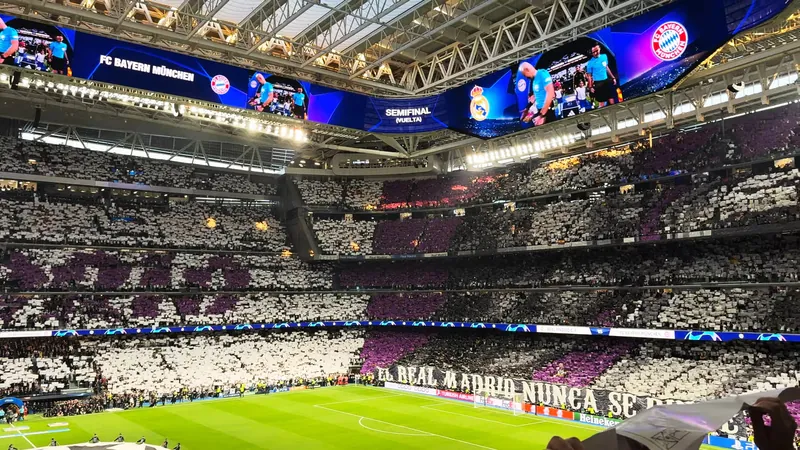
Santiago Bernabéu
Real Madrid’s ground, fully modernised (retractable roof, retractable pitch), is the Spanish front-runner to host the 2030 final.
Spain · Vigo
The oldest ground on the list (1928) still has to reach 42,000 seats: an ambitious project, funding not secured, FIFA approval pending.
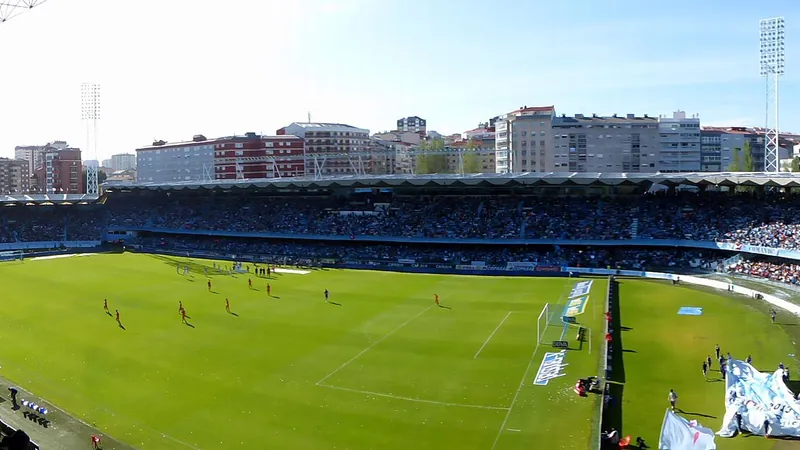 Photo : juantiagues
· CC BY-SA 2.0
Balaídos, opened in 1928, has been renovated in phases since 2015 (around €120 million). The Gol stand has been under reconstruction since July 2025; while the work continues, capacity is reduced (between 21,000 and 29,000 seats depending on the source and the stage of the works).
For the World Cup, Vigo is proposing a second tier on the main stand, removable seats and a retractable “Bernabéu-style” roof, for around 42,000 to 44,000 seats. On 31 March 2026, the city asked the Diputación and the Xunta de Galicia to co-fund the project: the money is not secured.
Vigo was put to FIFA on 26 March 2026. The merger of the Basque bids (Bilbao and San Sebastián with two matches each) improves its chances, but FIFA has not decided.
Vitrasa city buses from the centre (the stadium is south-west of the city, near the Lagares). Fares and routes to be confirmed on vitrasa.es.
Last checked : 30 August 2026
Real Madrid’s ground, fully modernised (retractable roof, retractable pitch), is the Spanish front-runner to host the 2030 final.
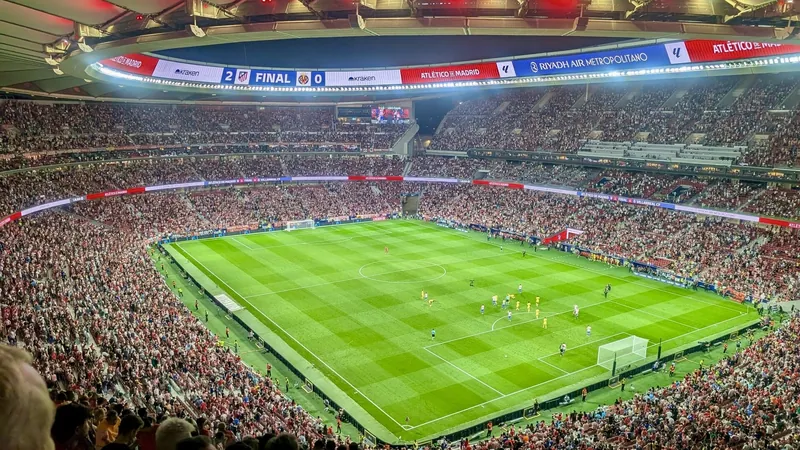
Atlético’s 70,692-seat stadium has already hosted a Champions League final (2019). Its participation in 2030 has been described as “in doubt” by the Spanish press.
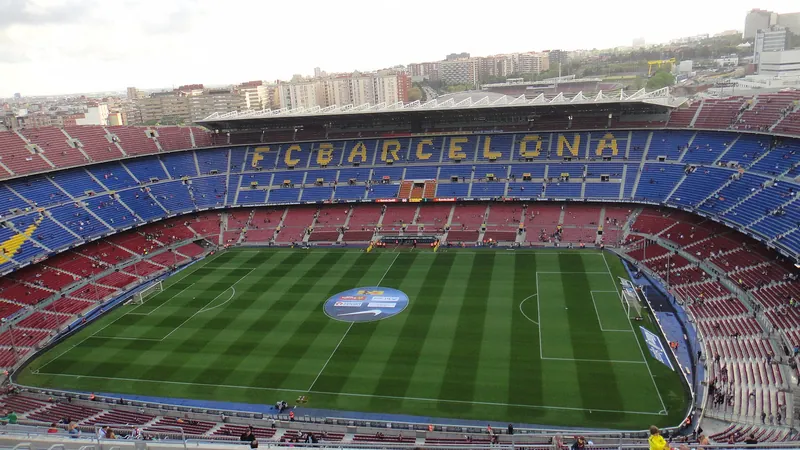 Photo : Gerardo nuñez
· CC BY 3.0
Mid-rebuild, the Camp Nou is reopening in stages: 62,652 seats licensed since March 2026, around 67,000 expected in late 2026 – early 2027, and the 104,600 covered seats pushed back to the second half of the 2027-2028 season.